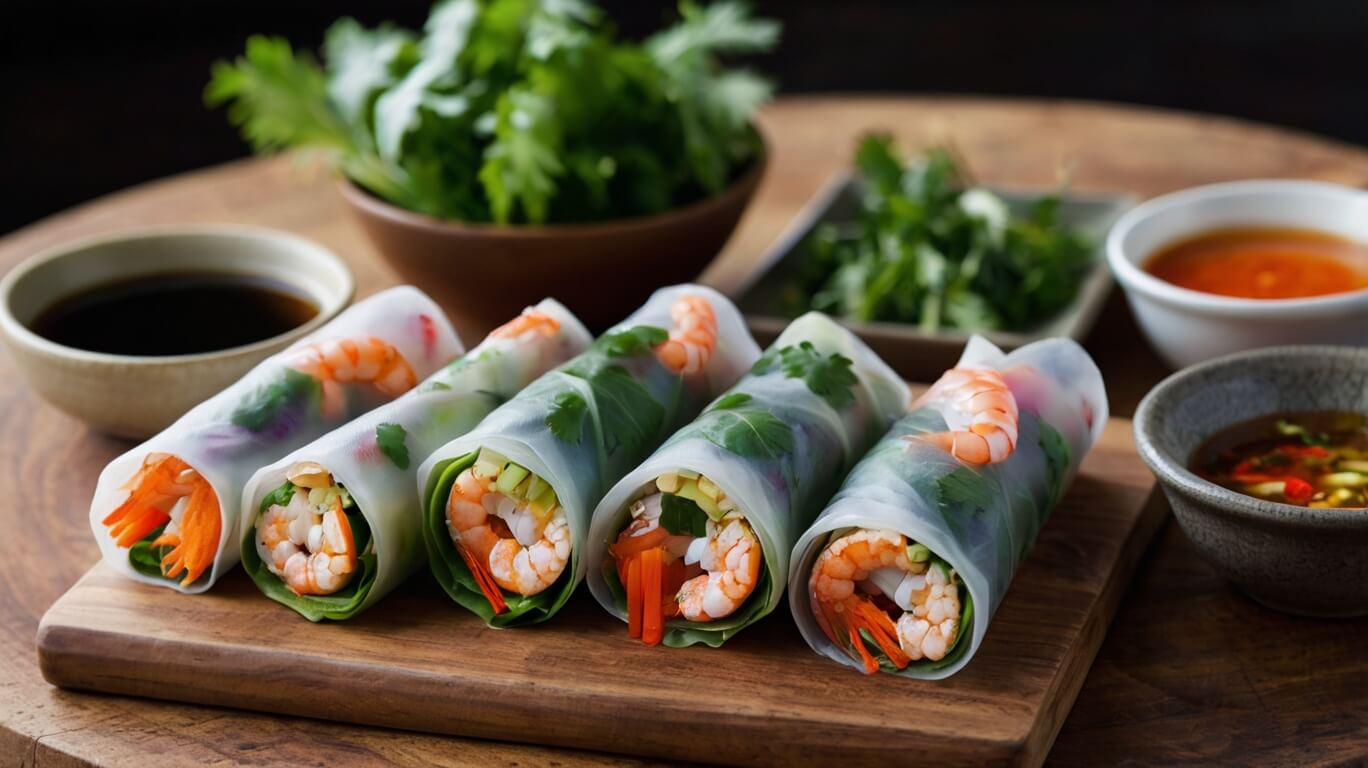
Rice Paper Nutrition Facts: Health Benefits and Caloric Value
Rice Paper Nutrition Facts: Rice paper isn’t just an ingredient; it plays a starring role in many Asian cuisines, especially in Vietnamese tradition. Its versatility shines through in dishes like spring rolls, which provide a perfect wrap for fresh, colorful fillings. Knowing its nutritional value is crucial for anyone aiming to make informed food choices.
What’s Inside Rice Paper?
Rice paper might be familiar as bánh tráng in Vietnamese, and it typically appears as sheets made from rice flour. It’s made by mixing rice flour and water, resulting in either dried or fresh forms. Dried rice paper requires a quick soak in warm water to become flexible. Fresh rice paper can be used right away—no soaking needed!
When dipped in water, rice paper turns into a translucent wrap, showcasing a variety of delicious fillings. Beyond Vietnamese cuisine, you can find it in many other Asian dishes, with each culture adding its own touch. This ingredient shows how something simple can delight taste buds around the world.
Rice paper enhances flavors without overshadowing them. Its mild taste pairs well with both savory and sweet fillings, inviting culinary creativity.
Nutritional Insights: Rice paper nutrition facts
Learn more about the nutritional benefits of rice paper here.
Looking for other nutritious foods? Check out our Dunkin Donuts Nutrition Guide to make informed choices when indulging.
Learn more about the nutritional benefits of rice paper here.
Let’s take a look at rice paper’s nutritional profile. In a typical 100-gram serving, you’ll find:
- Calories: 330 kcal
- Protein: 2 g
- Fat: 0.1 g
- Carbohydrates: 78 g
- Fiber: 0.6 g
- Sugars: 0.1 g
- Sodium: 5 mg
- Calcium: 5 mg
- Iron: 0.5 mg
The Caloric Perspective
Rice paper has a moderate calorie count, allowing it to fit into many diets without overwhelming your calorie limits. Most of its calories come from carbohydrates, helping to keep you full. Still, being mindful of portion sizes is key if you’re calorie-conscious.
It’s also smart to think about what you fill your rice paper with. Fresh veggies, lean proteins, and healthy sauces can create tasty meals without a heavy calorie load. Plan your portions wisely and enjoy satisfying dishes without compromising your goals.
Emphasis on Carbohydrates
Carbohydrates are the main component of rice paper, boosting your energy, especially if you’re active. These aren’t just simple carbs; they largely consist of complex carbs, providing steady energy for your day-to-day activities.
Pairing rice paper with fresh veggies, lean meats, or flavorful dips can create not just crunchy meals but also nutritious ones. A well-thought-out combo enriches both taste and health.
The Protein Piece
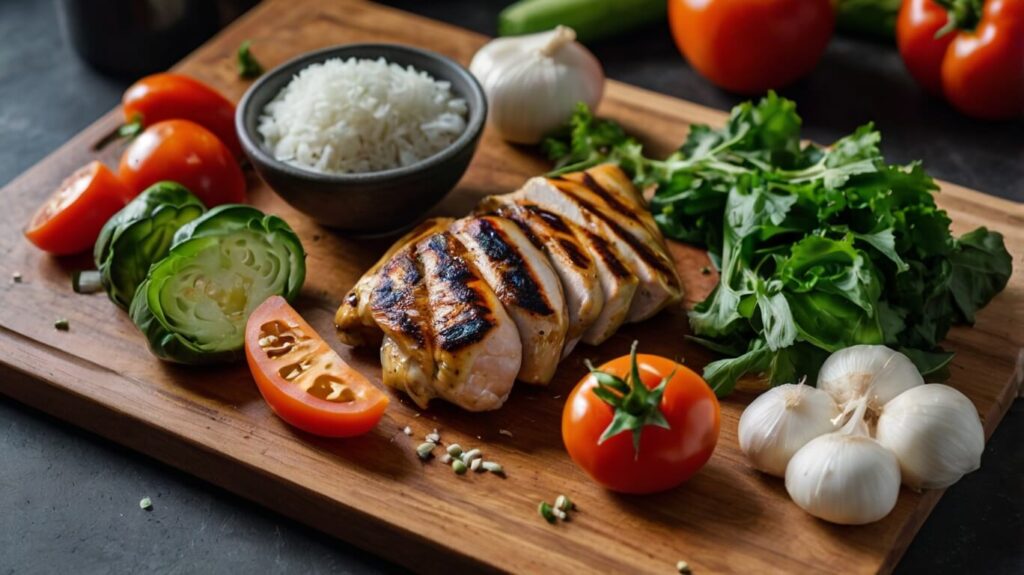
Rice paper isn’t rich in protein, offering just 2 grams per serving. However, fill it with protein-packed options like grilled chicken, shrimp, or tofu, and it transforms into a great way to reach your daily protein goals.
Clever combinations matter. Thoughtfully choosing your fillings will round out your meals. A mix of flavors and textures will impress any home cook.
Low in Fats
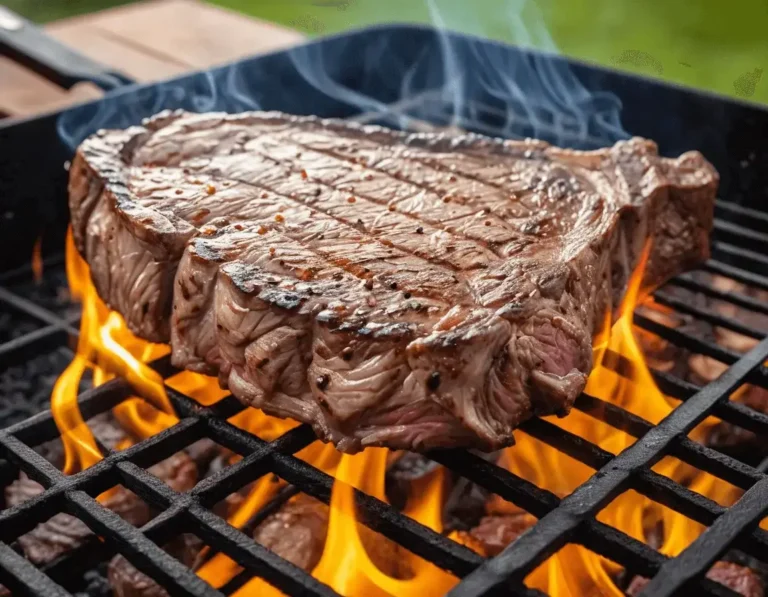
For those exploring other nutrient-packed options, you may be interested in our article on Sirloin Steak: A Flavorful, Nutrient-Packed Delight.
With only 0.1 grams of fat, rice paper complements your healthy cooking choices. You can avoid hefty calorie counts while incorporating it into dishes.
Opt for nutrient-dense fillings to enhance flavor and texture without extra guilt. This way, you can keep the focus on health while still getting creative in the kitchen.
Fiber Match
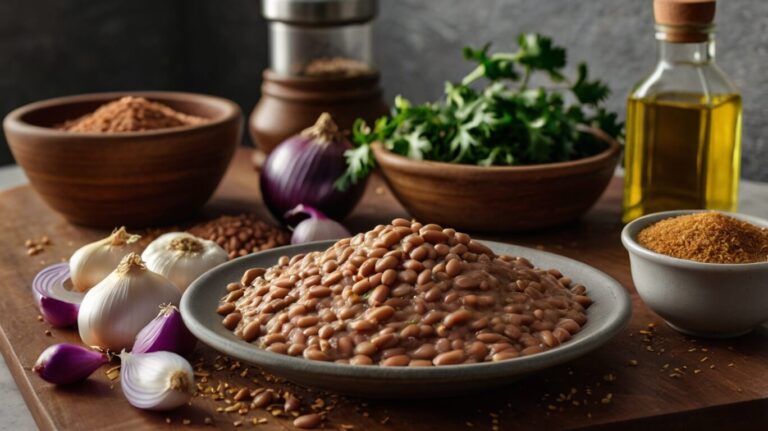
Curious about incorporating more fiber-rich foods into your diet? Learn about Refried Beans Nutrition Facts for a healthy boost.
Rice paper has a low fiber content, with only 0.6 grams per serving. But don’t despair! Combine it with fiber-rich veggies, beans, or whole grains for a more satisfying meal, making rice paper part of a balanced diet.
Incorporating colorful vegetable mixtures into your rice paper wraps boosts fiber content, promoting better digestion. This ingredient proves that even simple meals can reach new heights when paired thoughtfully.
Vitamins and Minerals
While rice paper lacks a variety of vitamins and minerals, you can raise its nutritional stakes by adding rich toppings. Incorporate calcium and iron-rich ingredients, or add nuts and leafy greens for delightful flavor mixes.
Even with its sparse nutrient density, rice paper can support richer meals when combined carefully. Tasty fillings ensure the food remains appealing and helps fill any nutrient gaps.
Health Advantages of Rice Paper
Discover different ways to use rice paper in cooking.
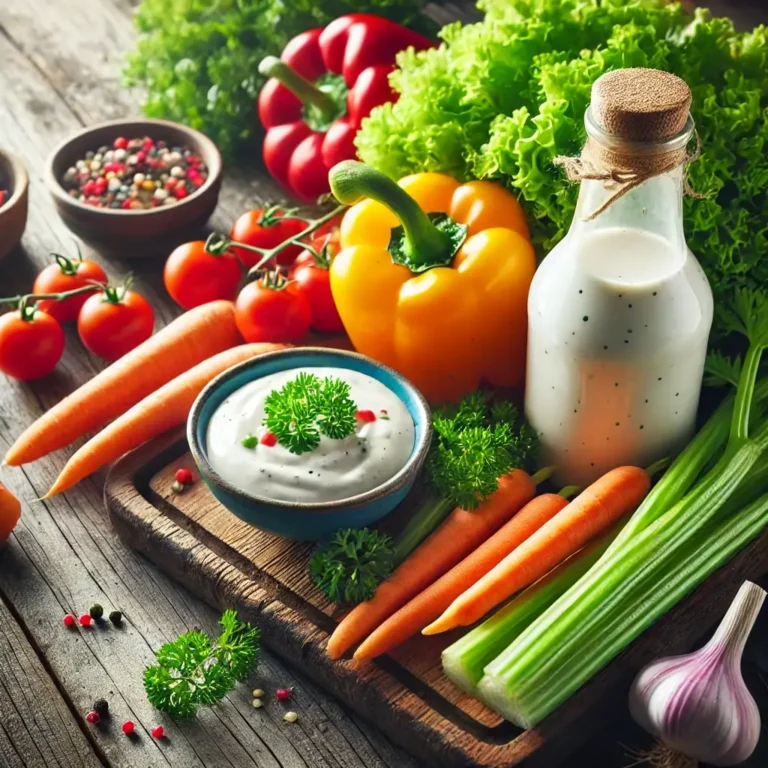
Also, explore our guide on Ranch Dressing Ingredients and Health Nutrition Facts to understand how to pair dips and dressings with rice paper wraps more healthily.
Discover different ways to use rice paper in cooking.
Examining modern nutrition trends shows the benefits of rice paper:
1. Gluten-Free Lifestyle
For those with celiac disease or gluten sensitivities, rice paper is an excellent option. You can enjoy flavorful meals without the worry of gluten!
2. Low-Calorie Dream
Its light nature makes rice paper a smart choice for those managing their weight. It allows you to savor traditional dishes without unwanted heaviness. Create balanced meals without feeling sluggish!
3. Boundless Versatility
Rice paper is a culinary gem. It suits vibrant salad rolls packed with fresh fillings, stir-fries, and even crispy fried options. Plus, it accommodates various dietary preferences—weaving together personal choices and delicious experiences.
4. Quick Prep Time
Rice paper is one of the easiest wraps to prepare. A quick soak gets it ready for your next culinary masterpiece. Fresh ingredients turn it into a delightful canvas, ensuring you can whip up great meals fast.
5. Customizable Nutrition
You control the nutritional content. You can effortlessly load it with whatever flavors suit your taste and health goals.
Crafting with Rice Paper
Here’s how to work with rice paper—no culinary degree required. Even beginners will find this ingredient easy to use:
- Soak:
- Take dried rice paper and dip it in warm water for about 10-20 seconds until it’s soft. Don’t over-soak; nobody likes mushy wrappers.
- Drain:
- Remove the wrap and place it on a clean, damp surface, ready for filling.
- Fill:
- Add colorful fillings in the center—a mix of proteins, veggies, and herbs. Get creative!
- Wrap:
- Fold up the sides and roll it tightly. But don’t be too rough—no one wants a burst wrap.
- Serve:
- Pair it with delicious dipping sauces for an extra kick. It’s chow time!
Famed Dishes to Explore
Rice paper wraps lead us into the vibrant world of popular dishes. Consider trying:
- Vietnamese Spring Rolls: Loaded with shrimp, fresh veggies, and dipping sauces, this dish showcases a delightful history and is loved worldwide.
- Vietnamese Salad Rolls: These expertly crafted rolls offer heartily flavored ingredients, bridging rich tradition with exciting flavors. Dive into these fresh tastes!
- Deep-Fried Spring Rolls: A popular preparation wraps flavorful fillings before frying, yielding goodness you won’t want to miss.
Your journey with rice paper starts now! Enjoy its deliciousness, health potential, and vibrant cultural history. Made thoughtfully, it elevates ordinary meals into something special.
Frequently Asked Questions
Wondering if rice paper fits into a keto diet? Our Pepperoni Nutrition Facts: Keto-Friendly Low Carb Guide might help you navigate your choices.
Are rice papers healthy?
Yes, rice papers are generally healthy as they are low in calories and fat. They can be a great addition to a balanced diet, especially when paired with nutritious fillings like vegetables and lean proteins.
Does rice paper have any nutritional value?
Rice paper does have nutritional value, providing carbohydrates for energy, a small amount of protein, and very little fat. It’s not nutrient-dense but can be combined with other ingredients to create a balanced meal.
Is rice paper ok for weight loss?
Yes, rice paper can be suitable for weight loss due to its low-calorie content. It’s light and can help create filling meals without adding too many calories, especially when paired with healthy fillings.
How many calories are in 1 sheet of rice paper?
One sheet of rice paper typically contains around 20-30 calories, depending on the size and brand.
What are the disadvantages of rice paper?
Rice paper is low in fiber and essential nutrients, so it should be paired with nutrient-rich fillings to create a well-balanced meal. Overeating rice paper may also add unnecessary carbohydrates to your diet.
Can I eat rice paper every day?
Yes, you can eat rice paper every day, but it’s important to include a variety of other nutrient-dense foods to maintain a balanced diet.
Can diabetics eat rice paper?
Diabetics can eat rice paper in moderation. It’s important to monitor carbohydrate intake and pair it with fiber-rich and protein-rich fillings to help manage blood sugar levels.
What is rice paper made of?
Rice paper is made from rice flour, water, and sometimes tapioca starch. It is typically dried into thin sheets that can be rehydrated for use.